
Signs Your Basement or Foundation Needs Waterproofing
Noticing signs your basement or foundation needs waterproofing can help prevent damage, and local contractors can provide expert solutions to protect your home.
Understanding the signs that your basement or foundation may need waterproofing is an important step for property owners concerned about maintaining a safe and stable home. Water intrusion, visible dampness, or cracks in the foundation can indicate underlying issues that, if left unaddressed, might lead to more serious damage over time. Recognizing these early warning signs can help homeowners take timely action, and consulting with experienced local contractors who specialize in basement and foundation waterproofing can provide effective solutions to protect the structure.
Many property owners in the area explore this topic because water-related problems can be common in local climates, leading to concerns about mold growth, structural integrity, and property value. By staying informed about the typical signs that suggest waterproofing may be needed, homeowners can make better decisions about when to seek professional assistance. Local service providers who focus on waterproofing services offer tailored approaches to address these issues, helping to ensure that homes remain dry, safe, and well-maintained. Keep reading to learn more about how to identify potential problems and how local experts can help safeguard your property.
- When signs like persistent dampness or mold appear in the basement, local contractors can assess whether waterproofing is needed to prevent further damage. - Visible cracks or shifting in the foundation often indicate the need for waterproofing services, which local service providers can evaluate and address. - If basement walls show efflorescence or water stains, local pros can determine if waterproofing solutions are necessary to stop moisture intrusion. - When basement floors or walls experience frequent flooding or standing water, local contractors can implement waterproofing measures to improve drainage. - Signs of musty odors or peeling paint in the basement may suggest underlying moisture issues that local service providers can resolve through waterproofing.
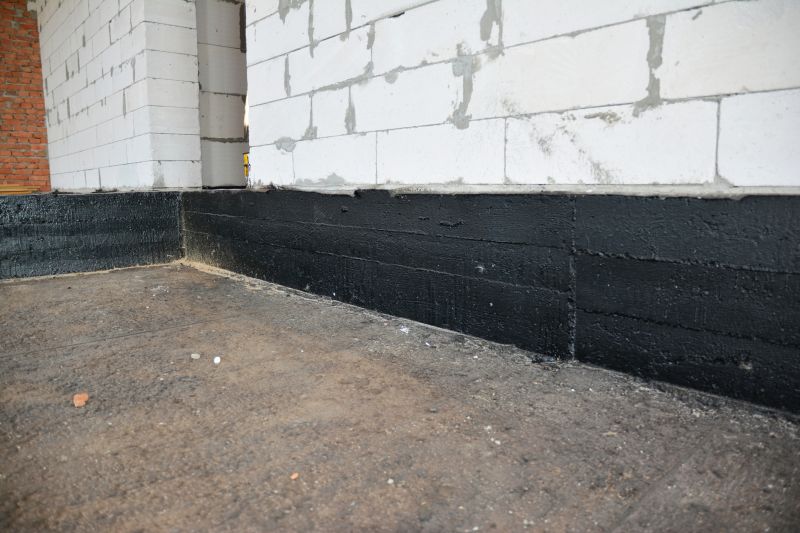
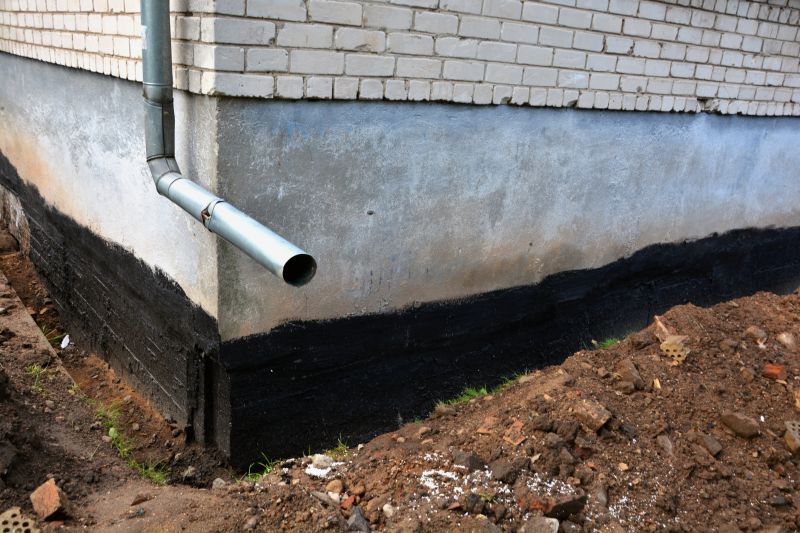
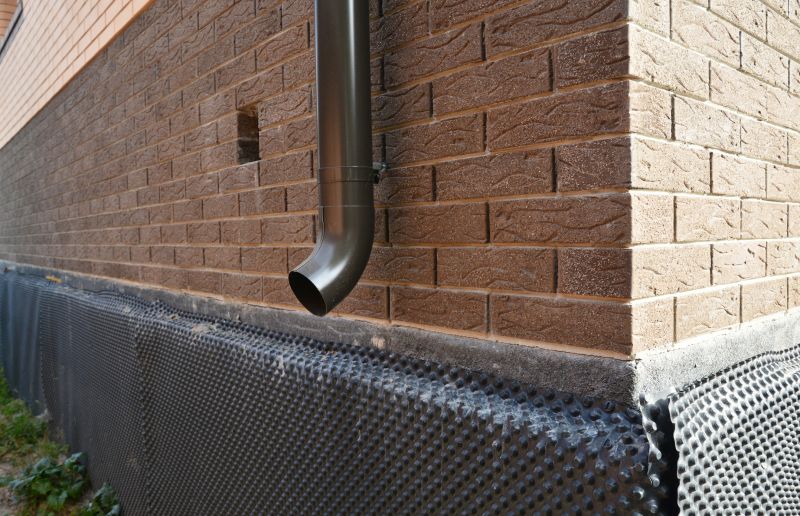
When homeowners search for signs their basement or foundation needs waterproofing, they are typically concerned about issues that could indicate water intrusion or structural vulnerability. These signs often include visible water stains or dampness on basement walls, persistent musty odors, or visible mold growth. Many people also notice peeling paint, efflorescence (white, powdery deposits), or water pooling around the foundation after heavy rain. Recognizing these indicators early is important because they can point to underlying problems with moisture control, which, if left unaddressed, may lead to more serious damage like foundation shifting or structural weakening.
The problems associated with inadequate waterproofing are usually related to water infiltration, which can compromise the integrity of the foundation over time. Homeowners often plan to address these issues through waterproofing solutions that prevent water from seeping into the basement or foundation walls. This can include interior or exterior waterproofing measures, installation of sump pumps, or drainage improvements. Understanding these signs helps homeowners determine whether their property might benefit from professional waterproofing services, which can help preserve the structural health of the home and prevent costly repairs down the line.
These concerns are most common in properties that have basements or foundations exposed to varying moisture conditions. Older homes, homes built in areas with high water tables, or those with poor drainage are particularly prone to moisture-related issues. Both residential properties and some multi-family or commercial buildings can experience these problems. Typically, these properties have concrete or masonry foundations that are vulnerable to water penetration if not properly protected. Recognizing the signs of potential waterproofing needs early can prompt property owners to seek out local contractors who specialize in foundation and basement waterproofing, ensuring the right solutions are implemented to suit their specific property type.
Understanding the connection between visible signs and underlying waterproofing needs helps homeowners make informed decisions about property maintenance. Local service providers who specialize in basement or foundation waterproofing can assess the property’s condition, identify the root causes of moisture issues, and recommend effective solutions. Whether it’s sealing cracks, installing drainage systems, or applying waterproof coatings, these professionals play a key role in helping homeowners protect their investments. Recognizing the signs of potential waterproofing problems allows property owners to take proactive steps, ensuring their home remains dry, stable, and structurally sound for years to come.
Drainage System Installation - Installing proper drainage systems around a property is related to waterproofing efforts, as it helps prevent water from accumulating near foundations and basements.
Foundation Repair - Foundation repair projects often require understanding of waterproofing techniques to address water intrusion issues that can cause structural damage.
Basement Finishing - Finishing a basement involves preparing the space for occupancy, which includes waterproofing to prevent moisture problems and maintain a dry environment.
Mold and Mildew Remediation - Addressing mold and mildew issues is connected to waterproofing, as moisture control is essential for preventing these problems in basements and foundations.
Waterproofing Membrane Application - Applying waterproof membranes on foundations or basement walls is a direct service related to preventing water intrusion and damage.
Sump Pump Installation - Installing sump pumps is a common waterproofing solution that helps remove excess water from basements and foundation areas to keep them dry.
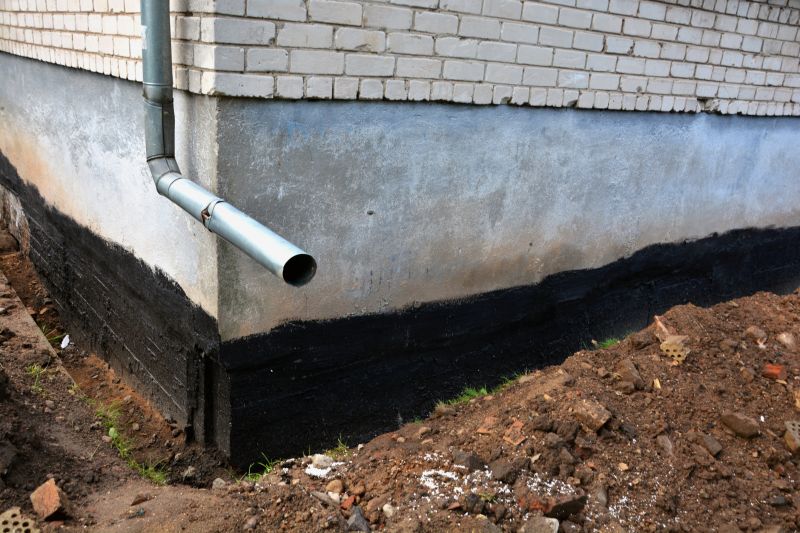
When evaluating local contractors for basement or foundation waterproofing, it is important to consider their experience with similar projects. Homeowners should seek service providers who have a proven track record of handling waterproofing issues in homes with comparable foundation types and basement conditions. An experienced contractor will be familiar with common signs that your basement or foundation needs waterproofing, such as persistent dampness, mold growth, or water stains, and will know how to address these issues effectively. Verifying the types of projects a contractor has completed can provide confidence that they understand the specific challenges associated with waterproofing and can recommend appropriate solutions.
Clear written expectations are essential when comparing local service providers for waterproofing work. Homeowners should look for contractors who provide detailed proposals outlining the scope of work, materials to be used, and the projected process. Having a comprehensive written plan helps prevent misunderstandings and ensures that everyone is aligned on the work to be done. It's also beneficial to review any documentation or warranties offered, as these can serve as a reference for what is included and what to expect after the project is completed. Transparent communication about project details allows homeowners to make informed decisions and select a contractor who values clarity and professionalism.
Reputable references and effective communication are key factors in choosing a reliable waterproofing contractor. Homeowners should inquire about references from previous clients who had similar work done, to gain insights into the contractor’s reliability, quality of work, and adherence to timelines. Good communication throughout the process-such as prompt responses to questions and clear explanations of the work-can significantly impact the overall experience. Service providers who prioritize open dialogue and provide trustworthy references tend to be more dependable and better equipped to meet homeowners’ expectations when addressing signs that a basement or foundation needs waterproofing.
Property owners often search for signs your basement or foundation needs waterproofing when they are planning practical projects around their homes and businesses. Local pros provide Basement or Foundation Waterproofing services for everyday jobs and straightforward project options.
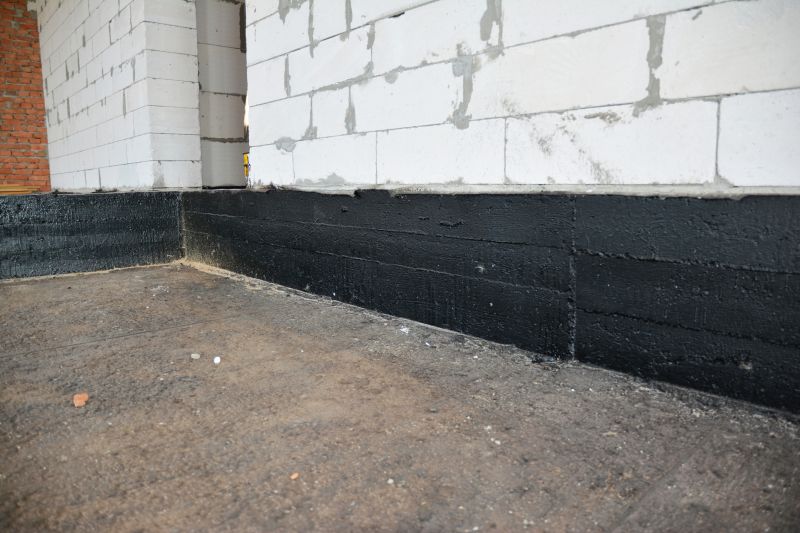
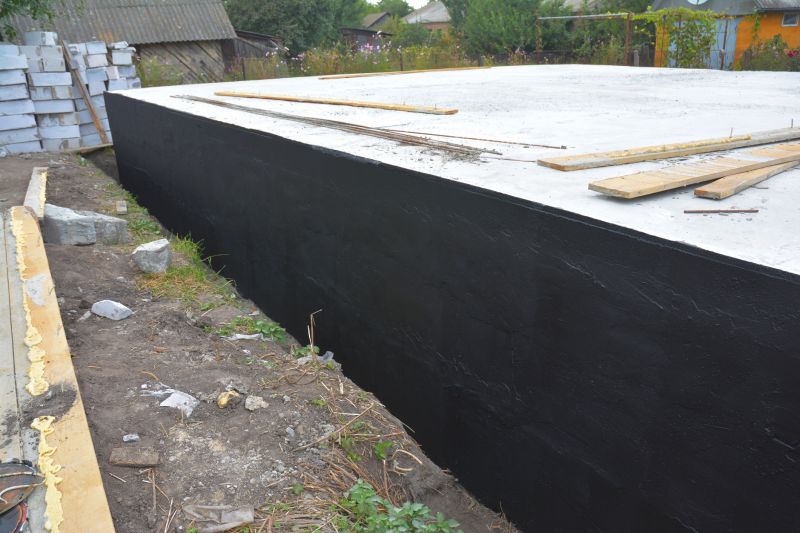
Many property owners in the area notice signs of moisture or water intrusion in their basements or around their foundation, prompting questions about waterproofing. Common indicators include persistent dampness on basement walls, the presence of mold or mildew, or a musty smell that lingers in the lower levels of the home. Cracks in foundation walls or uneven flooring can also suggest that water pressure or seepage might be affecting the structure. When these issues arise, local contractors experienced in basement waterproofing can assess the situation and recommend appropriate solutions to protect the property from future water damage.
Other signs that point toward the need for waterproofing services include water stains or efflorescence on basement surfaces, increased humidity, or water pooling near the foundation after heavy rains. These conditions can lead to further structural concerns if not addressed promptly. Property owners noticing such problems often seek out local service providers who specialize in waterproofing to evaluate their homes and implement effective measures. Connecting with experienced contractors can help ensure that the foundation remains dry and stable, reducing the risk of costly repairs down the line.
What are common signs that a basement or foundation may need waterproofing? Indicators include persistent dampness, water stains on walls or floors, mold growth, or a musty odor, which suggest moisture issues that local contractors can address with waterproofing services.
How can I tell if water is seeping through my basement walls? Visible water stains, efflorescence (white mineral deposits), or actual water intrusion during rainstorms are signs that water may be penetrating the foundation, prompting the need for waterproofing solutions from experienced service providers.
What does it mean if I notice cracks in my basement walls or floor? Cracks can indicate structural movement or settlement that allows water to enter, making waterproofing and repair services by local contractors necessary to prevent further damage and moisture problems.
Are musty odors or mold growth signs that my basement needs waterproofing? Yes, persistent odors or mold can be caused by excess moisture, which often results from inadequate waterproofing; local pros can evaluate and improve your basement’s moisture control.
Can exterior issues cause my basement to require waterproofing? Yes, problems like poor drainage, damaged gutters, or exterior grading can lead to water pooling around the foundation, increasing the need for waterproofing services from qualified local contractors.
Visible water stains or dampness - noticing water spots or persistent damp areas on basement walls can indicate the need for waterproofing services from local contractors.
Cracks in foundation walls or floors - large or expanding cracks may suggest moisture infiltration issues that local pros can address with proper sealing solutions.
Musty odors or mold growth - unpleasant smells or mold presence often point to moisture problems that experienced service providers can resolve through waterproofing.
Efflorescence or white powder on surfaces - mineral deposits on basement walls can signal water seepage, prompting property owners to seek waterproofing assistance from local contractors.
If you are thinking about signs your basement or foundation needs waterproofing for a property, this guide is meant to help you understand this topic, the typical project types, and how different options might fit your plans.
When you are ready, you can use the quote form on this page to share a few details about your project. From there, local pros can review the basics and follow up with options that match what you have in mind.
